Why Multilingual Interviews Are Hard to Transcribe
An interview recorded in two languages is a puzzle. Speakers switch mid sentence and mention names from several cultures and use slang that no dictionary lists. Professional transcribers say that wrong names are the most common source of complaints from clients. A typist who knows only one language will guess and guessing creates errors that spread into reports and articles. Even a small mistake in a quote can damage credibility in a published paper. Researchers and journalists and market analysts all depend on accurate text. A careful workflow protects them from quoting someone incorrectly and from losing trust with participants who expect their words to be handled with respect.
Start With Good Audio
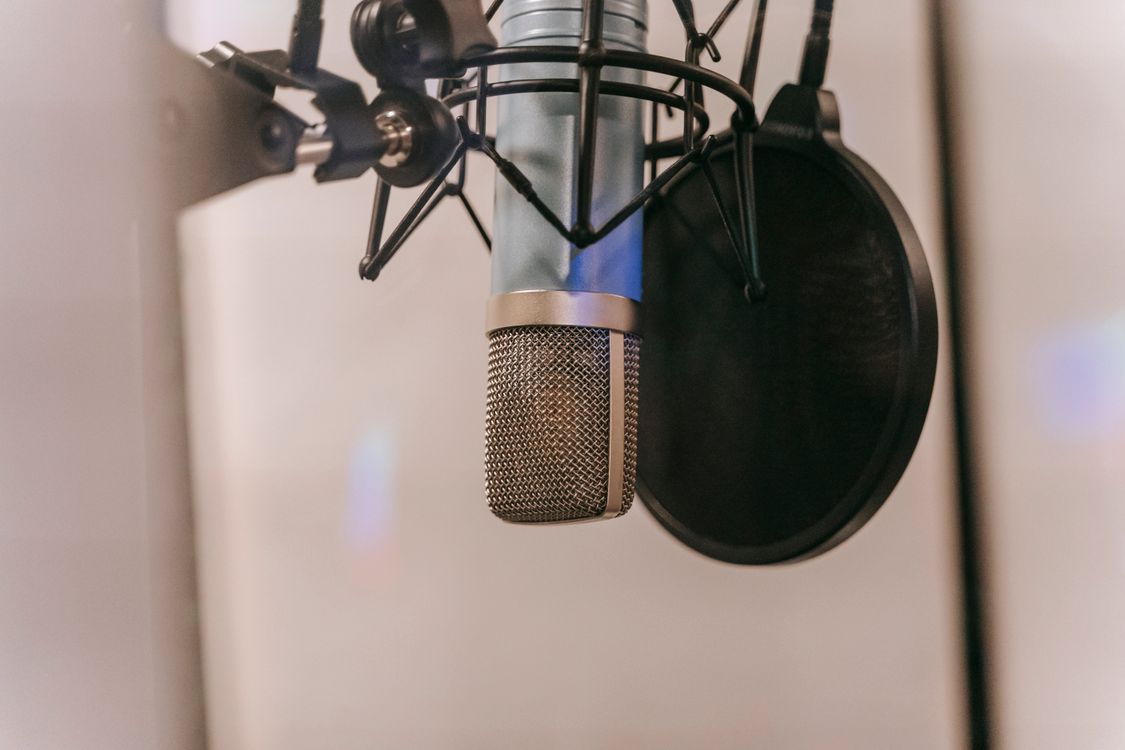
Transcription quality begins before the first word is typed. A quiet room and a decent microphone matter more than any software. A pop filter and a stable stand reduce plosive sounds and handling noise. Ask each speaker to sit close to the microphone and to avoid talking over others. Record in a lossless format when possible. Test the setup for one minute before the real interview starts. A little care at this stage saves hours of repair work later.
Decide the Style in Advance
Verbatim transcripts keep every filler and false start while clean transcripts remove them. Each style serves a purpose. The choice also affects price because verbatim work takes longer to produce. Legal and research work often needs the first. Marketing and media work often prefers the second. State the choice in the brief and give examples. Without a clear style the transcriber must guess and the final text will vary from page to page.
Handling Two Languages in One File
A short written guide for the transcriber prevents inconsistent decisions in a long project. Mixed language recordings need rules. Should the transcript keep both languages in the original or translate one into the other? Many projects keep the spoken language as is and add a translation in a second column. Mark language changes with a simple tag. These rules keep the document readable and let reviewers check each part against the audio.
Match the Transcriber to the Content
A transcriber who knows the field will recognize terms and names. Sharing a glossary before the work starts improves accuracy from the first page. Medical interviews need medical vocabulary and legal hearings need legal vocabulary. Providers of voice over services and audio work often have teams who handle both recording and text so that terms stay consistent between the audio and the page.
Where Automation Helps
Automatic speech recognition produces a fast first draft. Background noise and music can reduce accuracy dramatically. It works best on clear audio with one speaker and a common language. Specialist vocabulary also causes frequent errors unless the system has been trained on similar material. It struggles with accents and overlapping voices. Teams that manage many files sometimes explore best ai platforms like chatgpt to organize requests and summaries. A human editor must still compare the text with the audio before anyone relies on it.
Review in Two Passes
Playing the audio at a slower speed can help when speakers talk fast. The first pass fixes words and punctuation while listening. The second pass checks names and numbers and dates. Reading figures aloud while checking them against the recording is a reliable trick. Numbers are the easiest thing to get wrong and the hardest to notice. A second reviewer with fresh ears catches errors the first one stopped hearing. This simple routine raises accuracy more than any tool.
Timestamps and Speaker Labels
Consistent intervals make navigation easy for editors who return to the file weeks later. Long recordings need anchors. Add a timestamp every minute or at each change of speaker. Label speakers with names or roles and keep the labels consistent. Timestamps let readers jump to a moment in the audio and make it easy to verify a quote. They also help editors when they cut a transcript into articles or clips.
Privacy and Consent
Interviews often contain personal information. Written consent forms in the language of the participant avoid misunderstandings. Obtain consent before recording and explain how the files will be stored and who will see them. Use secure transfer and delete files when the project ends. Ethical rules in oral history stress respect for participants. The Oral History Association publishes principles that apply to many kinds of recorded interviews.
Accuracy Standards
Spot checks on random sections of a long file give a good estimate without a full review. Accuracy is measured by comparing the transcript with the audio. A good target for professional work is above ninety nine percent. The National Institute of Standards and Technology has long run evaluations of speech recognition and its publications show how researchers measure errors. That background helps buyers ask better questions.
Delivery Formats
Decide how you will use the text. Subtitle files need timing data and line length limits that differ from a normal document. Word files suit editing while subtitle files suit video. Searchable PDFs suit archives. Ask for a format that fits your tools and avoid conversions that break the layout. A clear delivery plan saves time at the end of the project.
Build a Reliable Routine
A single page is enough if it is clear and kept up to date. Create a short style guide and a glossary for names and terms. Keep them with the project files. Familiarity with voices and topics speeds up the work and reduces mistakes. Use the same team where possible so that quality stays steady. Review the process after each project and write down what you would change. These habits turn transcription from a stressful rush into a smooth and predictable service. One more tip concerns turnaround time. Fast delivery is possible but it needs clean audio and a clear brief. If a deadline is tight split the file into parts so several transcribers can work at once and then let one editor unify the style. Planning this step early protects quality when time is short.